
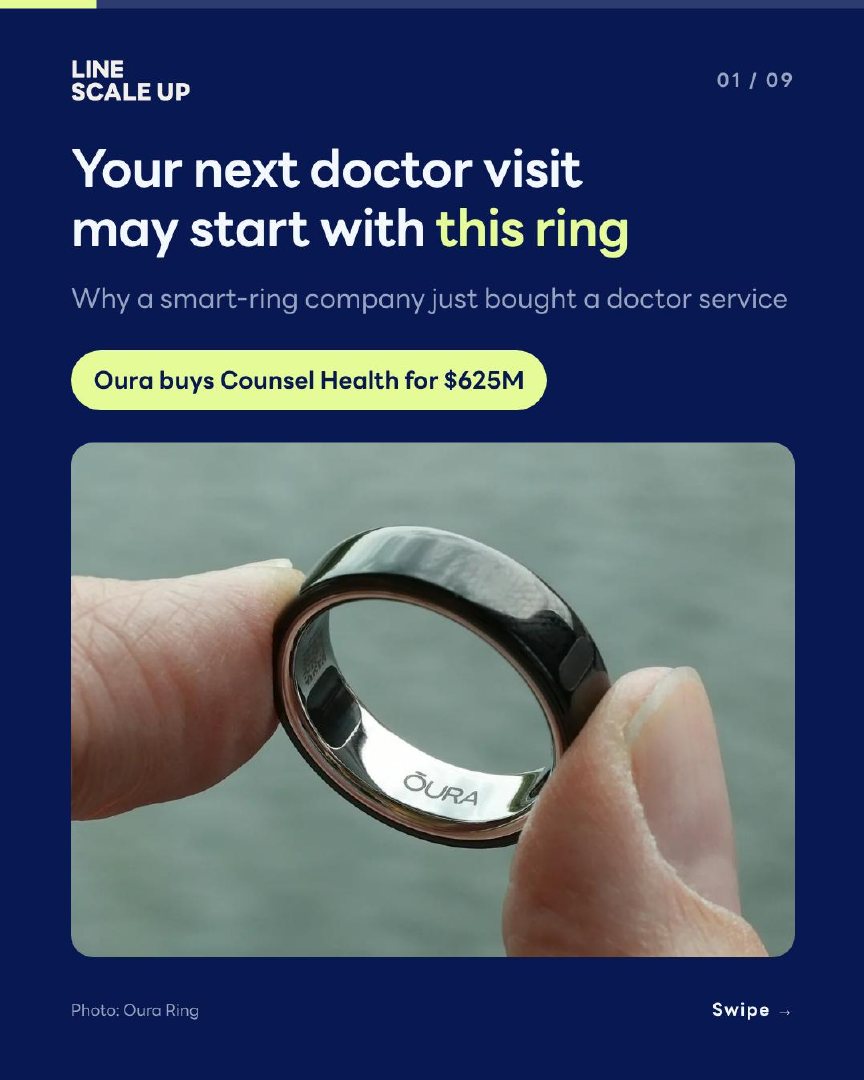
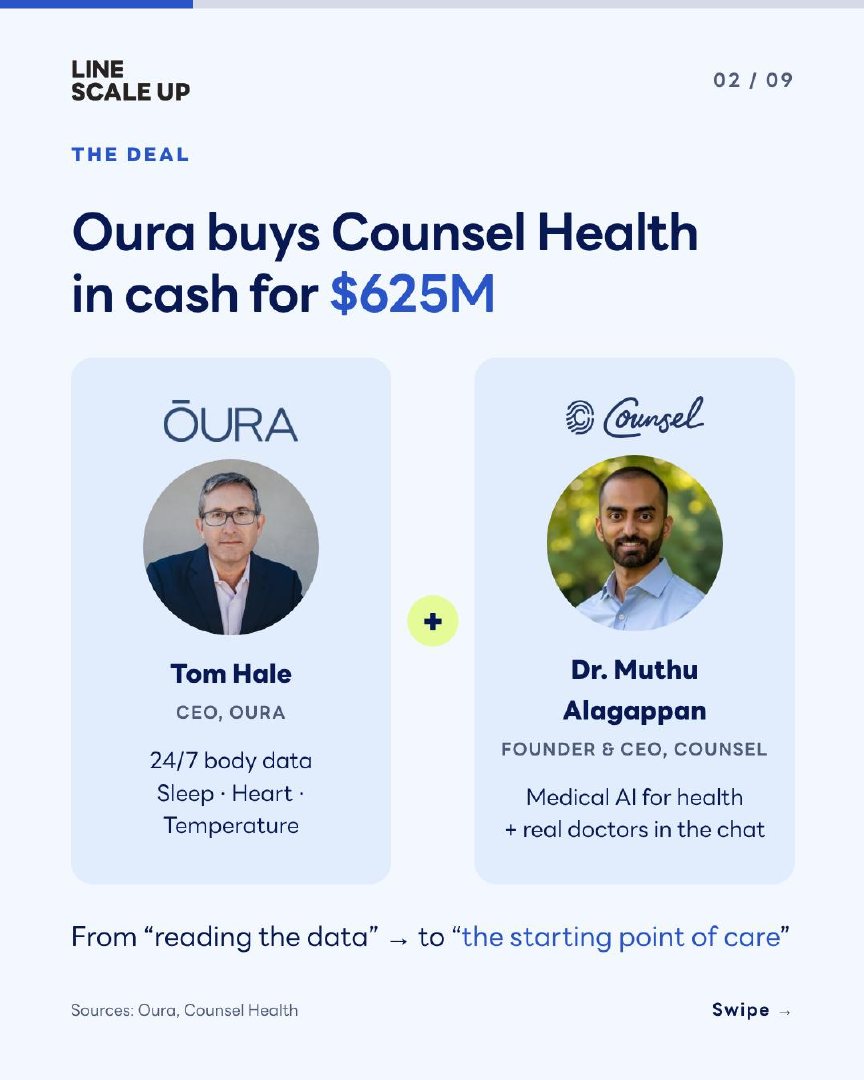
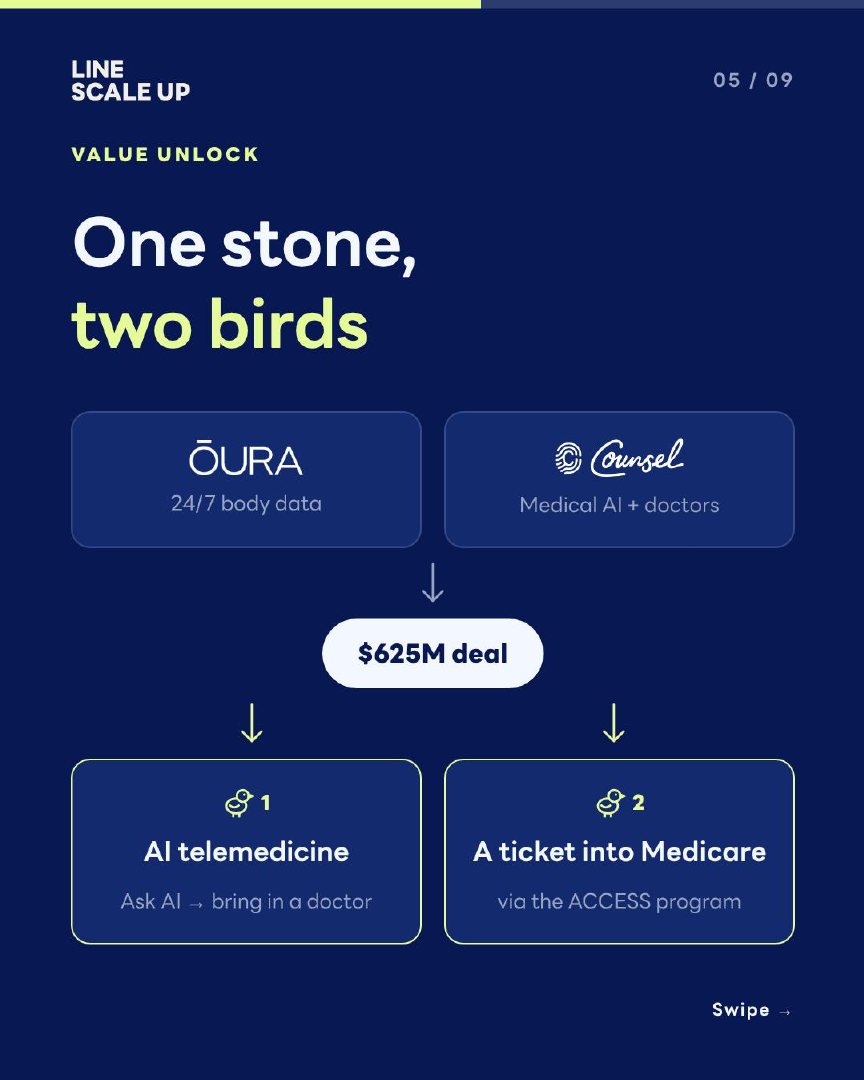
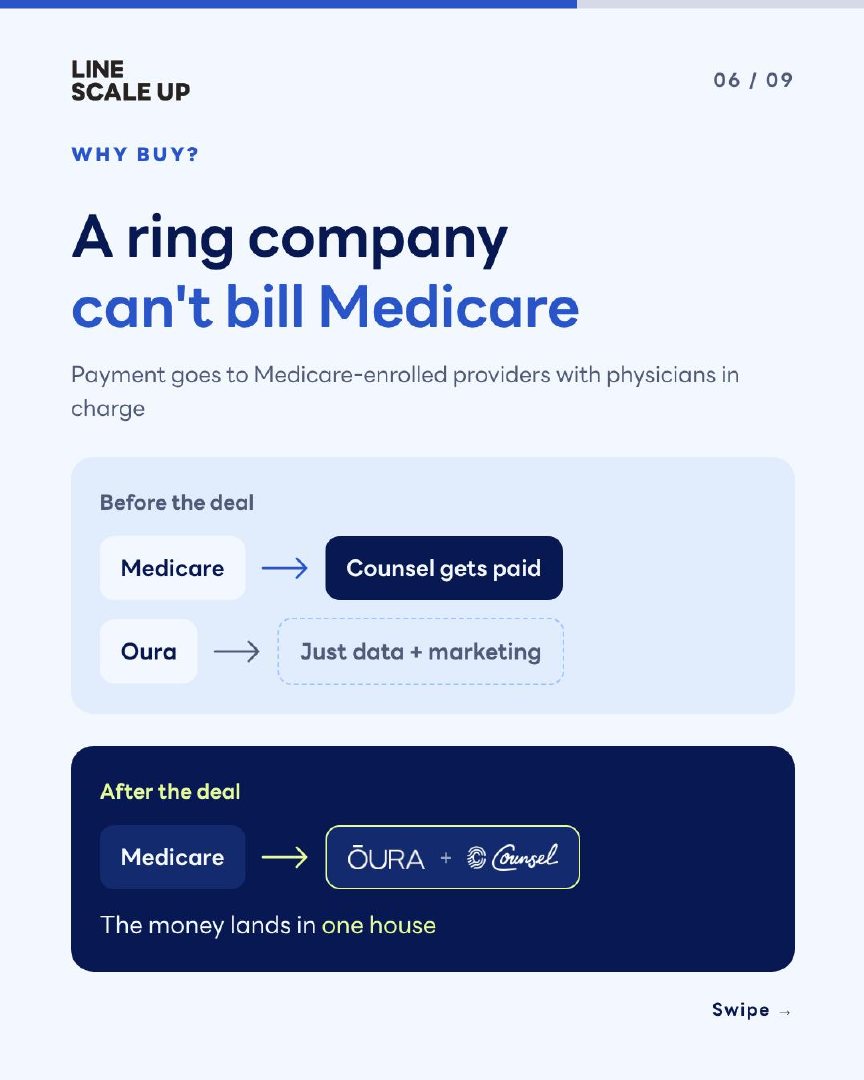
Oura, the smart-ring company, is buying Counsel Health in cash for $625M. Oura brings 24/7 body data: sleep, heart and temperature. Counsel brings medical AI with real doctors in the chat. Together, the ring moves from “reading the data” to “the starting point of care.”
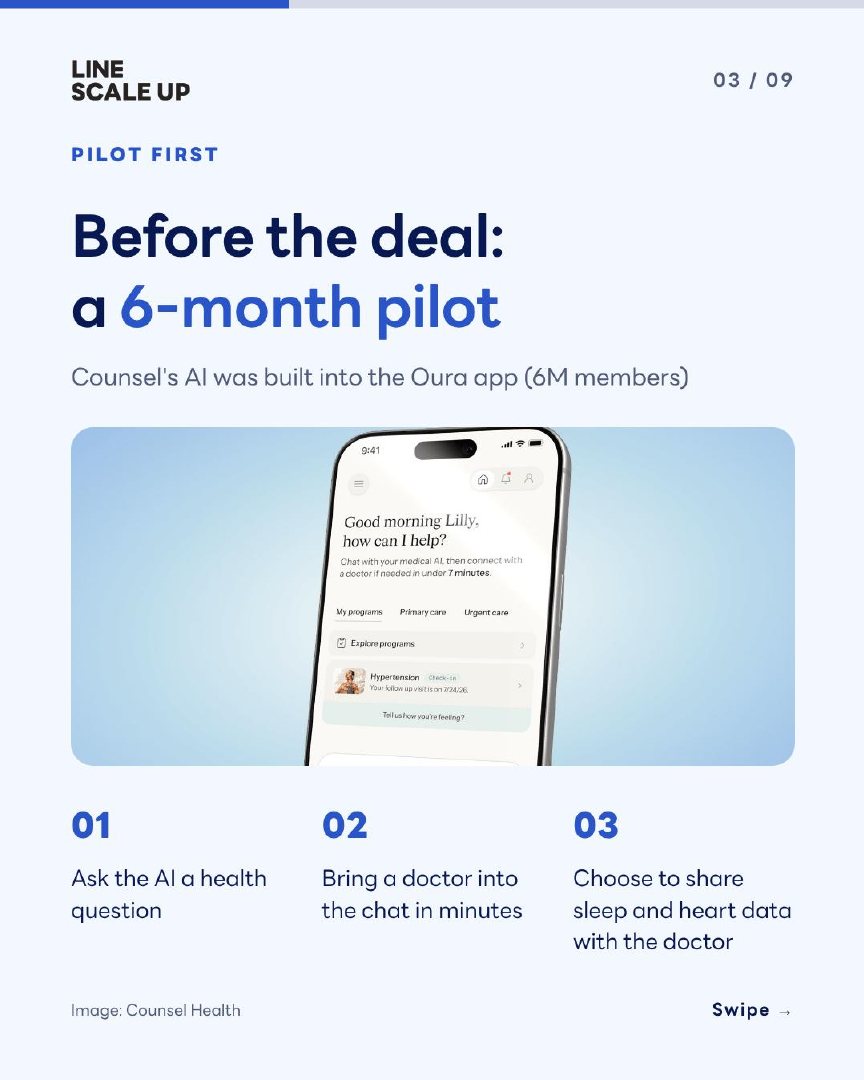
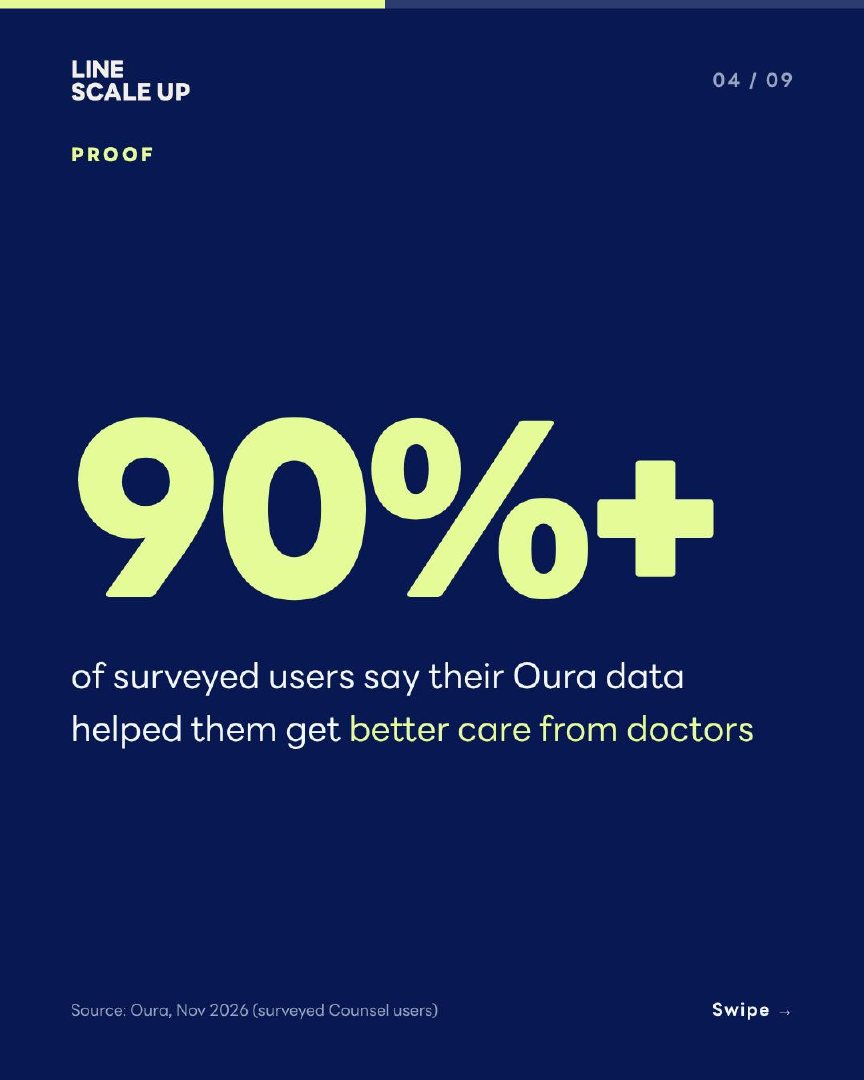
Pilot first. Before the deal, Counsel’s AI ran inside the Oura app, used by 6M members, for six months. Members could ask the AI a health question, bring a doctor into the chat in minutes, and choose to share their sleep and heart data with that doctor. More than 90% of surveyed users said their Oura data helped them get better care from doctors.Deal size$625MAll cash
Pilot6 monthsInside the Oura app, 6M members
Proof90%+Say Oura data helped them get better care
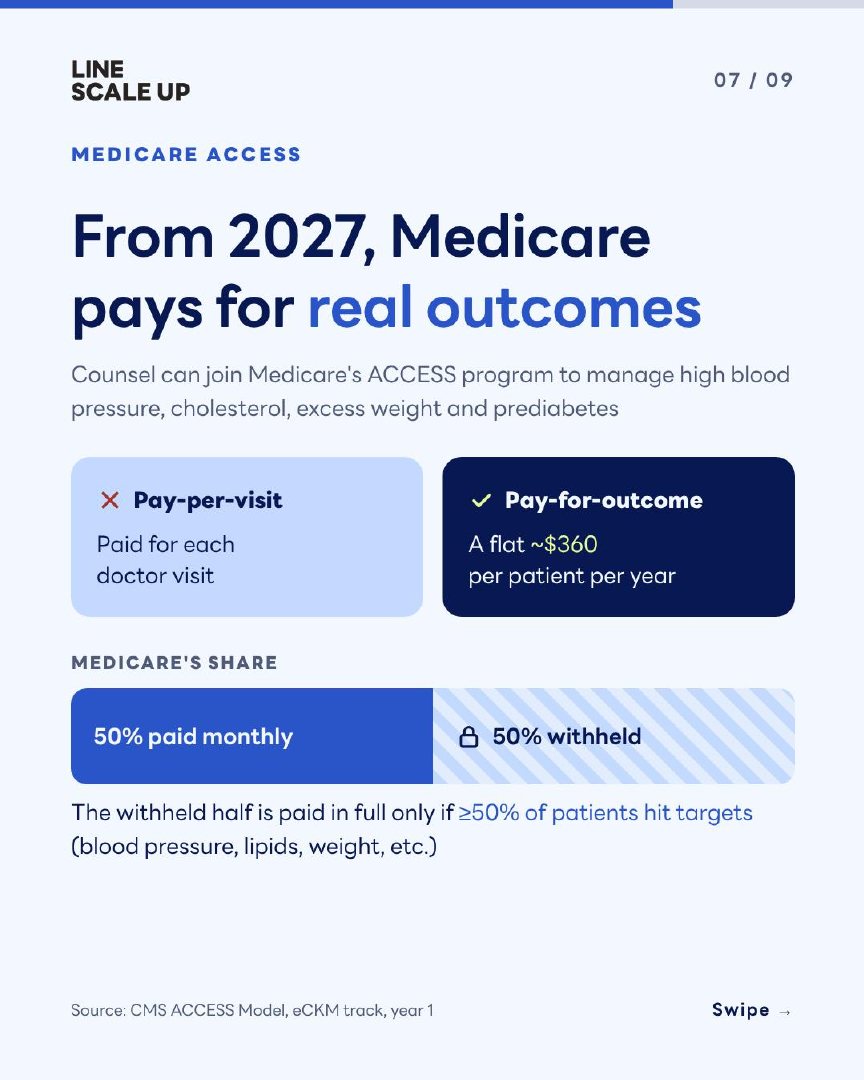
Medicare ACCESS~$360Flat, per patient per year, from 2027
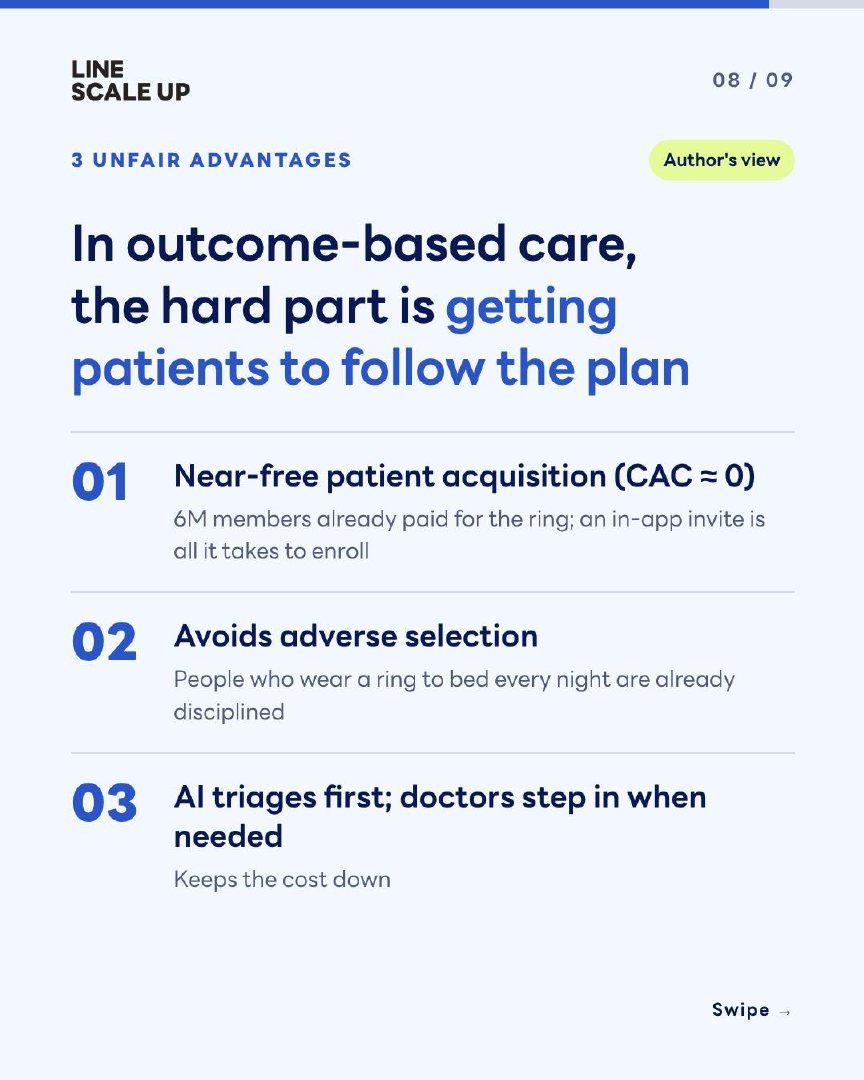
In outcome-based care, the hard part is getting patients to follow the plan. My view is that Oura has three unfair advantages:
- Near-free patient acquisition. 6M members already paid for the ring; an in-app invite is all it takes to enroll.
- It avoids adverse selection. People who wear a ring to bed every night are already disciplined.
- AI triages first. Doctors step in only when needed, which keeps the cost down.
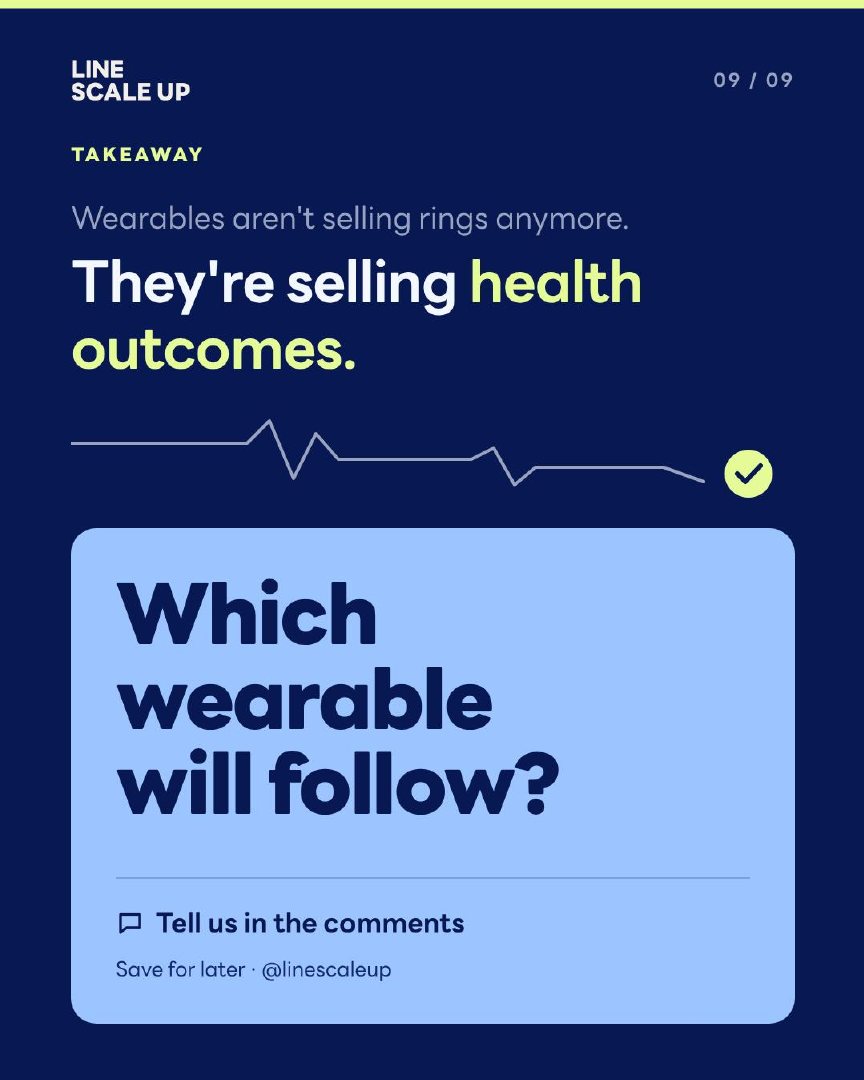
Wearables aren’t selling rings anymore. They’re selling health outcomes. Which wearable will follow?
Sources: Oura; Counsel Health; Oura survey of Counsel users (Nov 2026); CMS ACCESS Model, eCKM track, year 1.